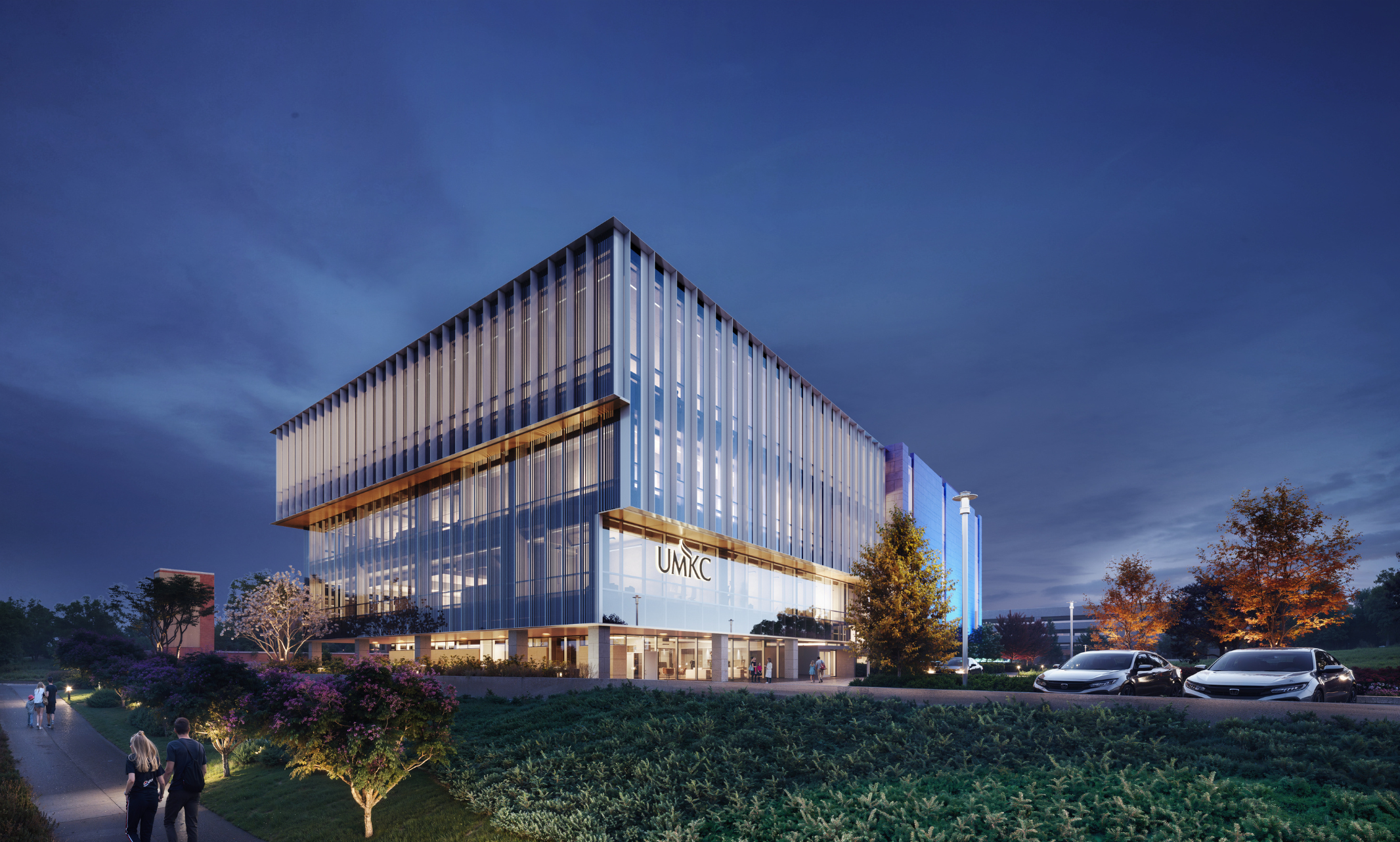
The University of Missouri-Kansas City (UMKC) is a prominent public research university located in Kansas City, Missouri. Founded in 1933 as the University of Kansas City, it was established through the philanthropic efforts of William Volker and a group of local civic leaders who sought to provide accessible higher education to the Kansas City metropolitan area. Today, UMKC is a key member of the University of Missouri System and serves as the largest university in the Kansas City region, enrolling over 15,000 students. Designated as a Carnegie R1 institution for its very high research activity, the university offers more than 125 academic degree programs across its diverse schools. It operates from two primary campuses, the Volker Campus and the Health Sciences District, and remains a central pillar of innovation, professional training, and community engagement in the Midwest.
UMKC has undergone significant expansion and strategic transformation over the past two years, marked by record-breaking enrollment and major capital improvements.
| Attribute | Information |
|---|---|
| Founding Date | 1933 |
| Headquarters | Kansas City, Missouri |
| Founders | William Volker, local civic leaders |
| Industry | Higher Education |
| Enrollment | Over 15,000 students |
| Research Status | Carnegie R1 |
| Key Campuses | Volker, Health Sciences District |
UMKC began its journey as the private University of Kansas City (UKC). The institution was born out of a desire by Kansas City leaders to establish a local university, a goal pursued for over a decade. In 1930, philanthropist William Volker purchased 40 acres near the Nelson-Atkins Museum of Art and the Walter S. Dickey mansion to provide a foundation for the campus. When the doors opened on October 1, 1933, the institution served 264 students with 17 instructors. Growth was rapid, as the university strategically incorporated existing local professional schools to broaden its academic scope. Key early mergers included the Kansas City School of Law (1938), the Western Dental College (1941), and the College of Pharmacy (1943). By the 1950s, the Conservatory of Music had also joined the university. Financial challenges during the mid-20th century ultimately led to the institution's most significant transition: its integration into the state-governed University of Missouri System. On July 25, 1963, the private UKC became the public University of Missouri-Kansas City (UMKC), securing a stable future as part of a major state network while retaining its local mission.
UMKC operates as a comprehensive urban research university. Its business model centers on academic instruction, research output, and professional service to the Kansas City metropolitan economy. The university’s success is built upon a dual-campus structure that allows for specialized focus in both the arts and the health sciences.
Significant Milestones:
UMKC distinguishes itself through its "professional career escalators" and deep ties to local industries. By functioning as a "living laboratory" for urban research, it contributes directly to regional economic development through the commercialization of faculty inventions and the production of highly trained graduates in law, dentistry, medicine, and business. Its Bloch School of Management and School of Law are frequently cited for their practical, outcomes-based approach. The university maintains a robust community outreach program, often hosting public forums and arts events that bridge the gap between academic theory and civic application.
Today, UMKC acts as the primary educational engine for Kansas City. It maintains a competitive edge through its location in a major metropolitan center, allowing it to offer unique internships and professional connections that rural or suburban colleges cannot replicate. Its strategic initiative, the "Blue & Bold" campaign, aims to raise $700 million to further bolster its research capabilities and campus infrastructure. The university’s market position is characterized by its dual-nature as a public-access institution and a high-level research hub. This hybrid identity allows UMKC to maintain high retention and graduation rates while simultaneously driving regional innovation through its Health Sciences District and new entrepreneurial ventures.
The arrival of the KC Streetcar at the UMKC campus in October 2025 represents a transformative moment for campus accessibility. By physically linking the Volker campus to the vibrant commercial hubs of downtown Kansas City, the university has improved the quality of life for its students and increased the appeal of its urban location to prospective applicants. The stop serves as a tangible symbol of UMKC’s commitment to urban sustainability and regional integration.
This flagship construction project is the cornerstone of UMKC’s future-focused infrastructure plan. Representing a $145 million investment, the facility is intended to catalyze regional healthcare innovation. By concentrating simulation labs, digital anatomy classrooms, and research spaces under one roof, the university aims to modernize the training of the next generation of healthcare providers in Missouri.
UMKC stands as a vital institution that mirrors the growth and ambition of Kansas City itself. From its humble origins on the grounds of the Dickey mansion to its current status as a Carnegie R1 research powerhouse, the university has remained true to its founding mission of accessibility and community service. Its trajectory is defined by a commitment to bold, transformative projects—such as the new Healthcare Delivery and Innovation Building and the expansion of the St. Joseph campus—which signal a continued focus on addressing real-world workforce and research needs. As the university continues to leverage its urban location and forge stronger ties with industry through initiatives like Roo Ventures, its role as a regional economic and cultural anchor is likely to deepen. UMKC is well-positioned to maintain its status as an indispensable asset to the Kansas City metro and the wider state of Missouri, fostering long-term impact through its dual dedication to academic excellence and societal progress.